

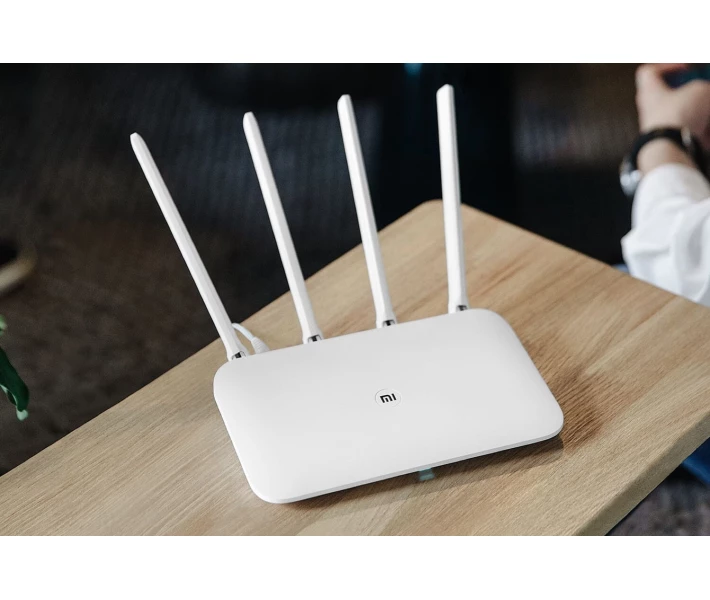
Experts have debunked the common belief that turning off the Wi-Fi router at night is necessary for saving electricity and reducing health risks or device issues.
This is reported by Finway
Energy Consumption and Device Safety
Many users are convinced that turning off the router at night will significantly reduce electricity costs. However, modern Wi-Fi routers are designed for 24/7 operation and consume on average only 10–12 watts per hour. Over a month, this results in negligible costs that hardly affect overall electricity bills.
Another widespread concern is the potential overheating of the device. In reality, an increase in the router’s casing temperature usually occurs only in cases of improper usage: if the device is placed in a confined space, pressed against other objects, or exposed to direct sunlight. With proper ventilation, overheating is a rare occurrence.
Impact on Health and Equipment Longevity
Many are also worried about potential harmful radiation from the Wi-Fi router. However, the signal level in such devices is significantly lower than in common household appliances, such as hair dryers and microwave ovens. Therefore, the router does not pose a real threat to health.
Modern routers are designed for continuous operation and consume minimal electricity—on average only 10–12 watts per hour. Over a month, this amounts to insignificant costs that hardly affect electricity bills.
Some users may be bothered by the blinking indicators at night. In such cases, experts recommend covering the lights with opaque tape or moving the router to another room instead of turning off the device.
It is important to consider that regular unnecessary turning off and on of the router can negatively affect its condition. Frequent temperature and voltage fluctuations create additional stress on electronic components and the power supply unit, leading to accelerated wear and reducing the device’s lifespan.
Experts advise turning off the router only in cases of obvious overheating or during prolonged absences from home, such as during vacations or business trips. In other situations, turning it off at night provides no significant benefits and does not enhance safety levels.