

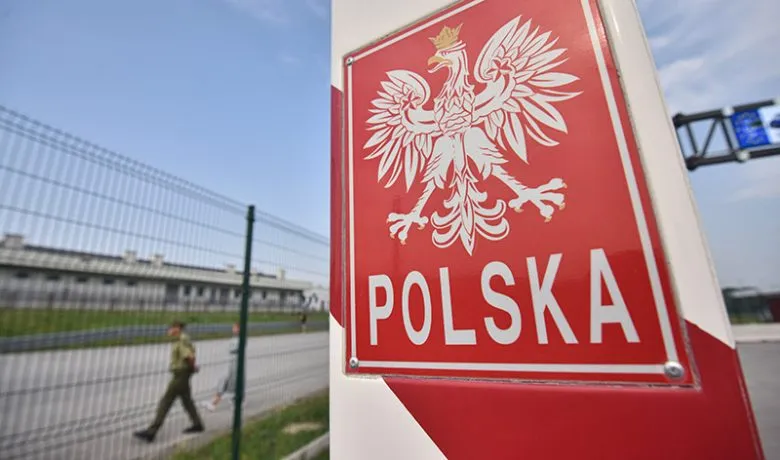
Poland has announced the implementation of a large-scale project to create a modern electronic control system on the border with Ukraine in the area of responsibility of the Nadbuzhansky Border Guard Department. The main goal of the initiative is to increase the effectiveness of protection against illegal border crossings and to counter hybrid threats that have become increasingly relevant for the region in recent times. The cost of the project is estimated at 450 million zlotys, which is equivalent to over 110 million US dollars.
This is reported by Finway
Protection System: Key Features
The plan includes the implementation of a high-tech, round-the-clock control line, which will consist of several key elements:
- Underground Sensors — a network of special cables capable of detecting seismic vibrations, such as footsteps, vehicle movements, or attempts of unauthorized intrusion;
- Fiber Optic Infrastructure — rapid transmission of large volumes of data and ensuring stable power supply;
- Visual Surveillance — installation of masts with daytime cameras and thermal imaging devices for continuous video monitoring of the area.
All data from various elements of the system will be transmitted in real-time to the analytical center at the Border Guard headquarters. This will allow for immediate responses to any incidents or attempts to breach the border. Polish intelligence services emphasize that the situation on the eastern border remains extremely dynamic, and the implementation of the electronic barrier could serve as an effective preventive measure in light of the increasing number of sabotage acts within Poland itself.
Polish intelligence services stress that the situation on the eastern border remains extremely dynamic. In this context, the new infrastructure in the form of an electronic barrier could become a preventive tool against the rising number of sabotage acts within Poland itself.
Project Funding in Question
The implementation of the electronic barrier requires significant financial investments. Initially, it was anticipated that part of the costs would be covered by the European SAFE program. However, obtaining these funds has become complicated due to a presidential veto, creating a political obstacle to financing. Currently, the Polish government is actively consulting on additional sources of funding, as without an adequate budget, the tender for construction may be canceled, despite significant interest from contractors in the project.