


Cats have become one of the most vivid economic and cultural symbols of Japan, bringing the country trillions of yen in revenue each year. Their influence extends to tourism, business, art, the souvenir industry, and even the everyday lives of the Japanese. This unique phenomenon has already received a special name — ‘catonomics.’
This is reported by Finway
“Citing research by Professor Katsuhiro Miyamoto from Kansai University, the publication notes that by 2026, cats will contribute nearly three trillion yen to the Japanese economy, which is about 18.8 billion dollars. This includes Japanese spending on food, veterinary care, souvenirs, themed cafes, photo books, and other ‘cat’ goods and services.”
Japanese ‘Catonomics’: Tourism and National Traditions
In the Land of the Rising Sun, cats have transformed from pets into a true cult. Their images can be seen on books, souvenirs, shop windows, and even on the streets of cities. The economic effect of such enthusiasm is estimated in trillions of yen each year, as the Japanese spend significant amounts on food, veterinary services, ‘cat’ cafes, themed photo books, and accessories.
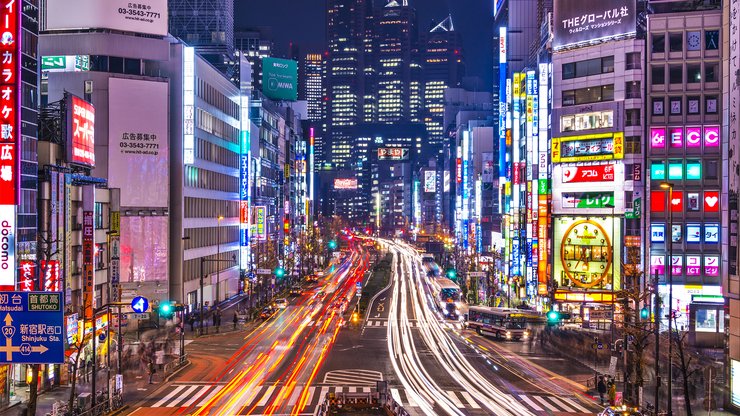
The cat theme is particularly pronounced in Tokyo, specifically in the Yanaka Ginza district, which has turned into a so-called ‘cat town.’ Here, tourists find shops with unique souvenirs, cat-shaped sweets, and even personalized stamps with cat motifs. This phenomenon is linked to the history of the area: in this part of the Japanese capital, there are many Buddhist temples where cats lived centuries ago.
The Popularity of Cats in Daily Life, Art, and Business
Cats in Japan have even surpassed dogs in popularity as pets. According to the Japan Pet Food Association, in 2025, there were about 8.8 million cats living in Japanese households, while there were only 6.8 million dogs. Over a cat’s lifetime, an average of nearly 1.8 million yen (approximately 11,300 dollars) is spent.
The image of cats has deeply penetrated Japanese literature: over a hundred years ago, Natsume Soseki wrote the novel ‘I Am a Cat,’ and contemporary authors, including Haruki Murakami, often refer to this theme in their works.

Maneki-neko: A Symbol of Luck and Prosperity
In Japanese culture, cats are traditionally associated with harmony and good fortune. A vivid example is the popular figurine ‘maneki-neko’ — a cat with a raised paw that ‘invites’ prosperity. If the right paw is raised, it symbolizes financial luck, primarily for daytime businesses. The left paw signifies attracting customers, which is relevant for night establishments like bars or restaurants. If both paws are raised, it represents double luck for entrepreneurship.
- A maneki-neko with the right paw raised is considered a talisman for attracting money and success in business.
- A figurine with the left paw raised attracts customers and guests, and it is often placed in restaurants and shops.
- Both raised paws symbolize comprehensive prosperity and good fortune.
The tradition of ‘maneki-neko’ originated after the legendary story of a cat that saved a Japanese feudal lord from lightning near the Gotokuji Temple in Tokyo. Today, such statuettes adorn homes, offices, shops, and restaurants across the country.
Despite the rapid aging of Japan’s population and the demographic crisis, experts predict that the number of pets may decrease in the future. However, for now, cats remain not only cultural icons but also drivers of the national economy.