

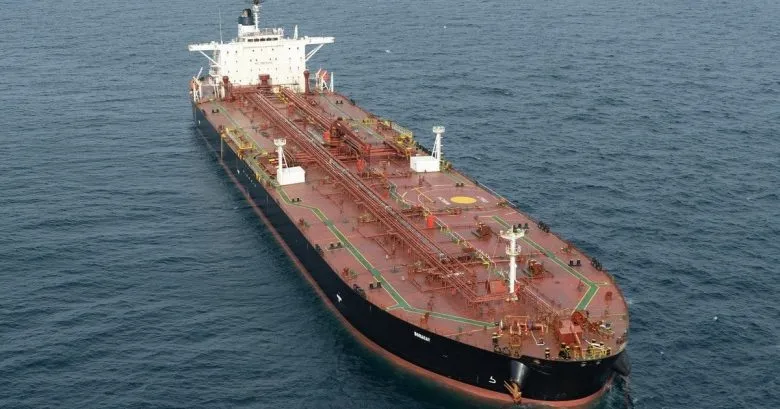
During the Munich Security Conference, UK Defense Minister John Healey initiated discussions with colleagues from the Baltic and Northern Europe regarding the possibility of forcefully seizing vessels from the so-called “shadow fleet” of the Russian Federation. The main goal of such a decision is to cut off the financial flows that have been fueling Russia’s military infrastructure for the fourth consecutive year since the onset of full-scale aggression against Ukraine.
This is reported by Finway
Joint Expeditionary Forces: New Approaches to Combatting Sanctions Evasion
At the meeting of the Joint Expeditionary Forces (JEF), which includes 10 European nations, participants expressed their readiness to enhance joint actions. The Commander of the British Armed Forces, Richard Knighton, presented potential scenarios for joint operations to seize vessels, which could logically extend the policy of the United States. The American military already has experience intercepting tankers that violate international sanctions.
“The atmosphere and understanding were such that we need to be more active. The message is that countries providing flags to shadow fleet vessels should know that other states may take action,” said Estonian Defense Minister Hanno Pevkur.
Despite this, a final decision on forceful actions has not yet been made, as some JEF members express concerns about the potential escalation of the situation. It is estimated that the current ‘shadow fleet’ of Russia consists of about 1,500 tankers using forged flags to circumvent international restrictions and sanctions.
International Pressure and Issues with Russian Oil Exports
The United States is already demonstrating a tough stance on this issue: recently, American military forces conducted an operation to intercept the vessel Aquila II in the area of responsibility of the Indo-Pacific Command. According to the Pentagon, the tanker attempted to evade capture after being in the Caribbean Sea, violating quarantine restrictions, but was stopped without incident.
The US Department of Defense reported that the vessel’s route was tracked from the Caribbean Islands to the Indian Ocean. The American military emphasizes that no other country has similar capabilities for global monitoring of sanctions compliance, and the US Navy is prepared to act anywhere in the world to enforce the sanctions regime.
In addition to forceful measures, Russia is facing economic difficulties. A significant reduction in oil imports from India has resulted in dozens of tankers remaining at anchor without the ability to unload. The total volume of such crude oil at sea off the coasts of India and Oman is estimated at 140 million barrels. Only one of the tankers managed to change course and unload in China.
The situation is complicated by a record drop in supplies to Indian ports, which in January fell to the lowest level in three years—around 1.12 million barrels per day. Analysts explain this by the entry into force of the EU ban on the import of oil products made from Russian raw materials, which has significantly complicated energy exports for the aggressor country.