

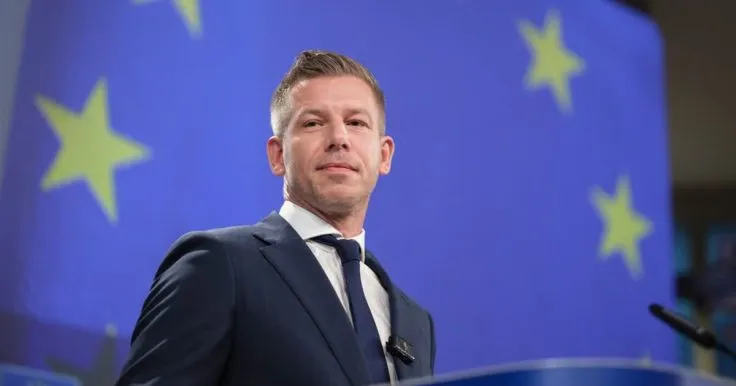
The Cabinet of Ministers of Hungary, chaired by the new Prime Minister Péter Madár, has officially lifted the veto imposed on compensation to European Union countries for providing weapons to Ukraine. This decision marks a key step that unblocks the mechanism for partial reimbursement of costs to countries that actively support Ukraine in its war against Russia.
This is reported by Finway
Ending the Blockade and New Prospects for European Support
The veto, which was introduced by former Prime Minister of Hungary Viktor Orbán, led to a two-year blockade of the European Peace Facility. As a result, donor countries like Germany and the Netherlands were unable to receive compensation amounting to over 40 billion euros for the weapons provided. Consequently, the EU was forced to seek alternative ways to supply Ukraine with the necessary defense means amid the ongoing threat from the Russian Federation.
“The lifting of the veto will serve as a positive reinforcement for those member states that have provided the most support to Ukraine. Now they will finally receive some compensation, which will also make the burden-sharing more equitable,” explained one of the sources to the publication.
New Rules for EU Compensation and Future Discussions
After the veto is lifted, EU countries need to develop updated criteria for the use of compensation funds. The question remains whether these funds should return to national budgets or be directed towards additional military assistance for Ukraine. Other key topics for discussion include maintaining the current reimbursement rate, which is approximately 40% of the cost of weapons, and ways to refinance the European Defense Fund.
Resolution of these issues is expected during an informal meeting of EU defense ministers scheduled for next week in Cyprus. It is important to note that the European Peace Facility is an off-budget instrument that provides reimbursement to EU countries for part of the costs of weapons for Ukraine, which will help support the balance of financial burden among member states and strengthen Ukraine’s defense capabilities in the face of Russian aggression.