

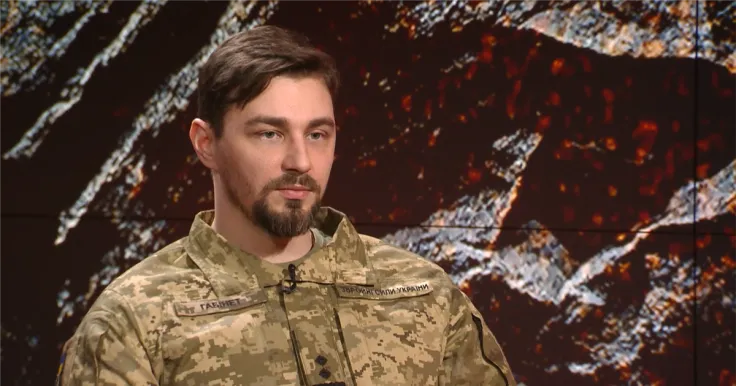
The commander of the 5th Separate Heavy Mechanized Brigade, Ruslan Habinet, stated that forcibly mobilized servicemen, often unofficially referred to as ‘busified’, gradually adapt to service and become effective fighters and leaders within their units.
This is reported by Finway
Adaptation of Mobilized Soldiers and Their Path to Leadership
According to Habinet, after mobilization, these soldiers undergo a mandatory preparatory phase during which they acquire basic skills, adapt to the new environment, and learn to work as a team with their unit and commanders. Often during this training, qualities emerge that were previously unnoticed in civilian life.
“There are those who are initially scared, but then gradually blend into the new environment and say: ‘I thought it would be worse, I thought I would go into assault right away.’ The training phase begins… Their talents and qualities, which may not have manifested in civilian life, come to light.”
The commander emphasizes that many mobilized individuals are forced to show more initiative and interact with others in the military than they did in their previous jobs. Many of them, for example, previously worked as ordinary packers in a factory, but now demonstrate the ability to learn quickly, navigate the terrain, participate in fire training, understand combat tactics, make decisions, and take responsibility. This is how leaders and squad commanders emerge from the ‘busified’, although this process takes time and is not completed with just basic training.
Psychological Support and Challenges of Mobilization
Ruslan Habinet points out that servicemen coming from recruitment centers should receive humane treatment from the very first day of service. Battalion commanders pre-determine the placement of recruits, hold conversations with them, and also involve psychologists for adaptation. According to him, it is important not to perceive newcomers as mere tools to be thrown into battle, but to provide them with support, food, clothing, and proper treatment. Most recruits feel fear, not knowing what awaits them ahead, especially if they have seen or read negative stories on social media.
Habinet stresses that physical pressure during mobilization is unacceptable, as it can lead to desertion and other problems that commanders then have to deal with. He also emphasizes that the military has been holding the front for many years, while part of the civilian population in the rear avoids mobilization, does not update their data, or fails to appear at territorial recruitment centers, complicating the process of replenishing units.
Martial law and general mobilization in Ukraine have been in effect since February 24, 2022, when the full-scale invasion of the Russian Federation began. The Verkhovna Rada regularly extends these measures every three months, maintaining their relevance and necessity for the defense of the country.