

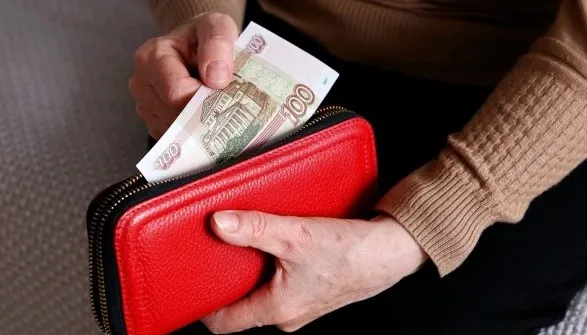
The federal budget of the Russian Federation for the first quarter of 2026 has already shown a deficit: the shortfall reached 4.6 trillion rubles, exceeding the annual plan of 3.8 trillion rubles. In the context of acute financial shortages, the Russian authorities are seeking new ways to fill the budget, focusing on additional taxes and increasing fiscal pressure on businesses and the population.
This is reported by Finway
New tax initiatives and restrictions
One of the notable steps has been the postponement of the ban on betting rates in bookmakers for incapacitated individuals, minors, and debtors. The Ministry of Finance of the Russian Federation stated that such a ban would lead to a loss of up to 27 billion rubles in tax revenues and another 14 billion rubles in targeted contributions to sports. Accordingly, the number of clients of bookmakers may decrease by a third, which, according to the agency’s conclusions, is unacceptable for the country’s budget.
“Now the Kremlin is desperately searching for where to find money,” intelligence sources report.
At the same time, the Russian customs service has begun to impose duties on goods imported from so-called “unfriendly” countries through the states of the Eurasian Economic Union. New rates range from 15% to 50%. This means that clothing, cosmetics, and non-food goods will soon rise in price by at least 15-30%. Thus, the Russian authorities are intensifying sanction pressure on their own citizens through the rising costs of imported goods.
Strengthening fiscal control and tax rates
President Vladimir Putin has instructed the government to consider introducing a windfall tax based on the results of 2025, with a rate of 20%. This levy for 2021-2022 has already brought 318.8 billion rubles to the budget. It is expected that this time the amounts may be even larger, and businesses will feel the increase in tax burden first.
Among other innovations is the strengthening of financial oversight: the new law will grant tax authorities automatic access to data from the Central Bank regarding individuals with unexplained incomes exceeding 2.4 million rubles. The Central Bank is also obliged to detect any abnormal financial transactions.
Additionally, a phased introduction of VAT on foreign goods from marketplaces is being considered: 7% in 2027, 14% in 2028, and 22% in 2029. Legalization of online casinos is also planned, with projected annual revenues of up to 100 billion rubles, and an increase in property tax for owners of three or more apartments.
According to analysts, from 2022 to 2025, Russia spent an additional approximately 130 billion dollars to circumvent sanctions and acquire prohibited Western goods, further complicating the budget filling situation.