

Foreign ministers from the G7 countries held key talks in France on March 27, focusing on the wars in the Middle East and Ukraine. They paid particular attention to the increasing interaction between Iran and Russia, which raises serious concerns for the global community.
This is reported by Finway
Mutual Support Between Iran and Russia and Risks to the Global Economy
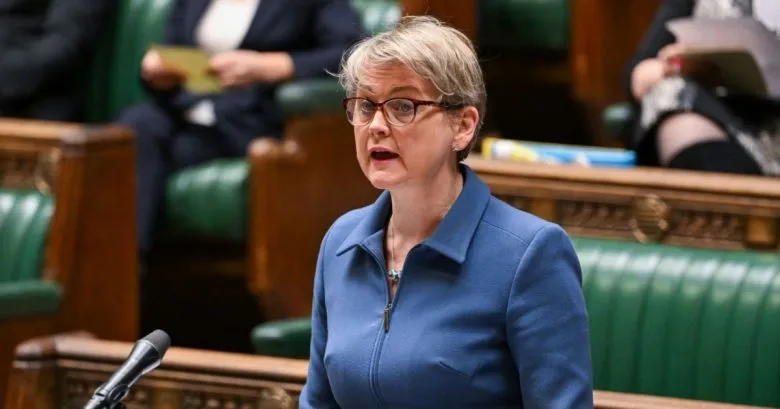
UK Foreign Secretary Yvette Cooper emphasized the dangerous consequences of cooperation between Iran and Russia. She cited the example of drones that Iran supplies to the Russian Federation for use in the war against Ukraine.
“But we also see the support that Russia provides to Iran in the conflict in the Middle East. That is why I believe the G7 countries have a shared interest in coming together to discuss these issues and how we can protect the global economy from states that want to use it as a weapon against us,” the diplomat said.
Cooper highlighted the need for G7 countries to consolidate efforts to protect the global economy from attempts by individual states to influence it through manipulation of critical transport routes.
Strategic Importance of the Strait of Hormuz and London’s Position
Discussing the situation around the Strait of Hormuz, which Iran blocked following the start of military operations by the US and Israel against Iran, the UK Foreign Secretary emphasized support for defensive actions. At the same time, London remains cautious about offensive operations in the region, adhering to a position of non-interference on the side of the US or Israel in the conflict.
Cooper also noted the importance of international partnerships and diplomacy for resolving the crisis, emphasizing:
“But we need partnerships – including diplomacy, including the discussions we will have today. Because, frankly, Iran cannot simply hold the global economy hostage through a strait that is part of international shipping routes and freedom of navigation.”
Other participants in the meeting, including Rubio, stressed the need to reopen the Strait of Hormuz as soon as possible, as it is a strategic route for transporting oil from the Gulf countries to global markets. “It is in their interest to help,” Rubio noted.
Amid rising tensions, US President Donald Trump expressed frustration over NATO countries’ inaction in resolving the situation with Iran, emphasizing that the United States does not need the Alliance’s help.
It is worth noting that on February 28, the US, together with Israel, launched a large-scale military operation against Iran. As a result of the strikes, the country’s supreme leader Ayatollah Ali Khamenei was killed, and military and nuclear facilities were hit. In response, Iran attacked American bases and infrastructure targets of US allies in the Gulf countries. After that, Iran effectively blocked the Strait of Hormuz, which is crucial for global energy security.