

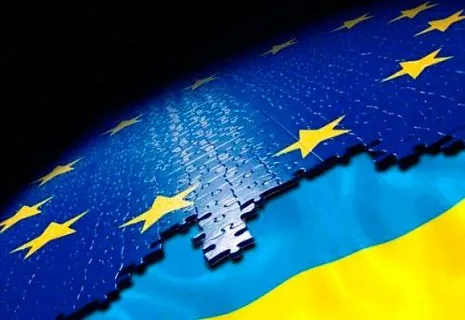
The Council of the European Union has decided to extend the temporary protection regime for citizens of Ukraine and certain categories of individuals who were forced to leave the country due to the full-scale invasion by the Russian Federation. The duration of this protection has been extended until March 4, 2027.
This is reported by Finway
Key Rights for Ukrainians in the EU
Temporary protection allows Ukrainians to legally reside in EU countries, work without obtaining additional permits, access medical and social services, as well as pursue education and enroll their children in educational institutions. In addition, the document guarantees access to housing, support for integration, and the opportunity to attend language courses for successful adaptation in a new environment.
Reasons for Extending Temporary Protection
The decision was made in response to the ongoing aggression of the Russian Federation, which poses serious risks to security in Ukraine and makes it impossible for millions of citizens to return to their homeland. The European Union acknowledges that the situation remains critical, and the humanitarian and security conditions do not allow for the safe return of forcibly displaced persons.
“The full-scale invasion of Russia into Ukraine continues. The security situation remains extremely unstable, making it impossible for millions of Ukrainians to return home for now,” emphasized the EU Council.
According to official estimates, by mid-2025, over 4.3 million Ukrainian citizens have utilized the temporary protection mechanism in European Union countries. This is one of the largest waves of forced displacement on the continent in recent decades.
In accordance with the European Directive on temporary protection, this legal mechanism can be extended if there are obstacles to return due to war, the threat of large-scale human rights violations, or humanitarian disaster. The EU is also enhancing coordination among member states to avoid duplication of statuses and unify databases. Emphasis is placed on effective information exchange, which simplifies the monitoring of the migration situation.
EU countries have agreed to continue cooperation in the integration of displaced persons, particularly regarding access to education, employment, and social adaptation, so that Ukrainians can fully engage in the life of their new communities.