

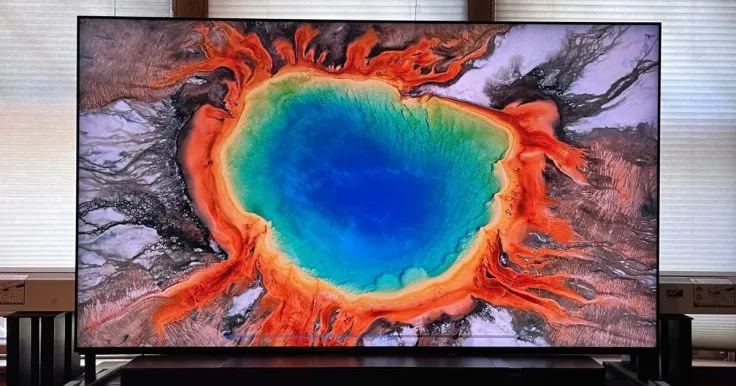
Sony recently introduced the modern premium television Bravia 9 II, which has become a serious competitor to the base model Bravia 9, featuring a Mini LED display. To help choose the best option among these two models in 2026, tech expert Taylor Clemons compared them based on key characteristics.
This is reported by Finway
Features and Advantages of Sony Bravia 9 II
Bravia 9 II stands out with its completely new True RGB screen, functioning similarly to Samsung’s R95H technology. Thanks to the RGB Backlight Master Drive Pro system, each LED (red, green, blue) is controlled separately, providing exceptional color accuracy, high contrast, and a brighter display compared to OLED models.
To create a cinematic effect, Bravia 9 II is available in a large 115-inch format and features an upgraded audio system. In addition to Dolby Atmos technology, the television supports DTS: X for older media, IMAX Enhanced Sound for modern streaming films, and Sony’s proprietary Acoustic Multi-Audio+ system.
The Acoustic Multi-Audio+ system uses special mechanisms behind the television screen and high-frequency speakers in the frame, transforming the entire screen into a single speaker. Another advantage of Bravia 9 II is the option for custom design: users can choose wooden frames in four colors — black, white, pine, and oak, similar to Samsung’s popular The Frame line.
What Sets Sony Bravia 9 Apart
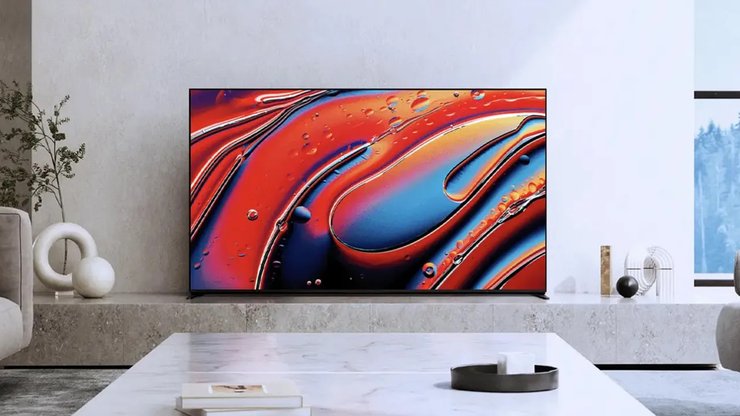
Bravia 9 is a television with a Mini LED panel, occupying a middle ground between classic LED televisions and premium OLED models. As it is the previous version, it can be purchased at a more budget-friendly price. Nevertheless, Bravia 9 maintains excellent contrast, image detail, and color reproduction accuracy.
The Mini LED technology provides a refresh rate of 120 Hz, making Bravia 9 an ideal choice for viewing dynamic scenes in sports broadcasts, movies, TV shows, and video games. The television offers various stand options and supports wall mounting, allowing the device to fit into any interior. The review also notes the model’s bezel-less screen, which is resistant to fingerprints.
“According to Clemons, the updated Bravia 9 II wins due to its color accuracy, improved sound, and customization options. The True RGB panel delivers colors, detail, and contrast that are nearly on par with OLED televisions.”
At the same time, the classic Bravia 9 remains a cost-effective alternative for those looking to save money but not willing to compromise on high image quality.