

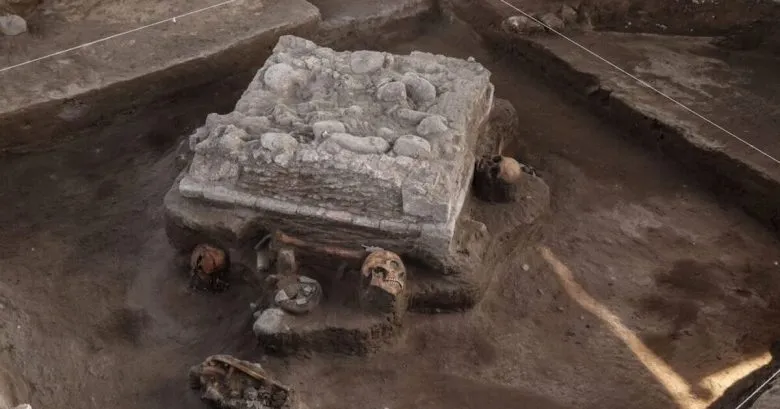
During archaeological excavations in the city of Tula, Mexico, researchers uncovered an ancient altar associated with the Toltec civilization. This finding has provided new insights into the ritual practices and social structure of the legendary city-state. The altar was discovered while preparing for the construction of the Mexico–Querétaro railway line, near the central part of Tula.
This is reported by Finway
Features of the Unique Architecture and Ritual Discoveries
The uncovered site is a ceremonial structure of the “momostli” type, located approximately 300 meters from the city center, near Tula Chico. The altar dates back to the Tollan period (around 900–1150 AD), when Tula was one of the leading centers of Toltec culture. It was built from andesite, basalt, and river stones, with each side measuring about one meter. The structure has several low tiers, but lacks stairs, indicating that the altar was used for special rituals rather than mass events.
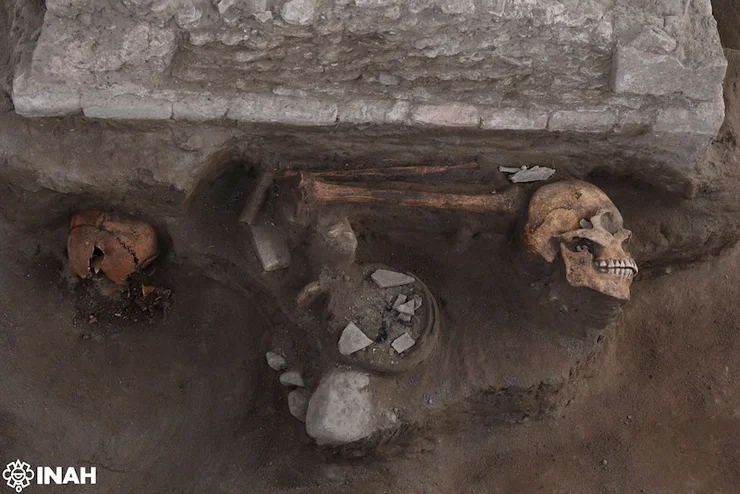
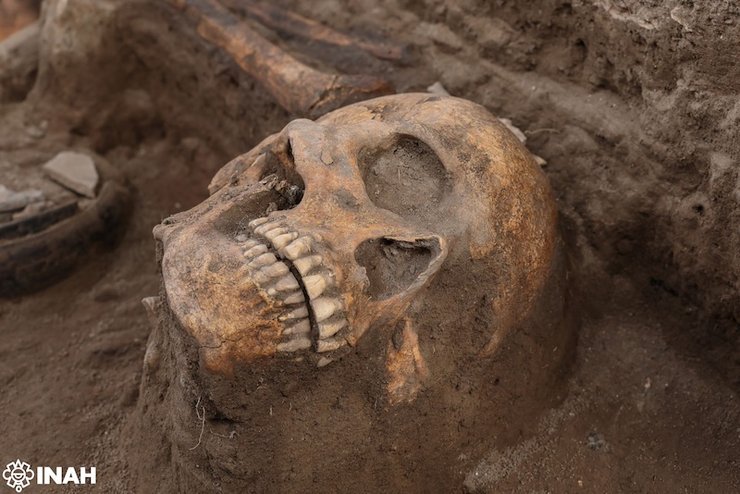
Project coordinator Victor Francisco Heredia Guillén noted that the discovery significantly expands scholars’ understanding of Tula’s spatial organization and indicates the existence of ceremonial zones beyond the traditional boundaries of the city. Researchers found four human skulls and several long bones situated along three sides of the structure. One of the skulls remained attached to a part of the spine, providing better insight into the characteristics of Toltec ritual sacrifices.
Artifacts and Social Structure of Tula
Alongside the human remains, archaeologists discovered ceramic vessels, obsidian fragments, bone tools, shell artifacts, spindles, and awls. This collection of items suggests a combination of ritual use of the altar with elite or domestic life. Further research revealed that the structure is located in a courtyard surrounded by walls and compacted floors, typical of areas associated with the local elite.
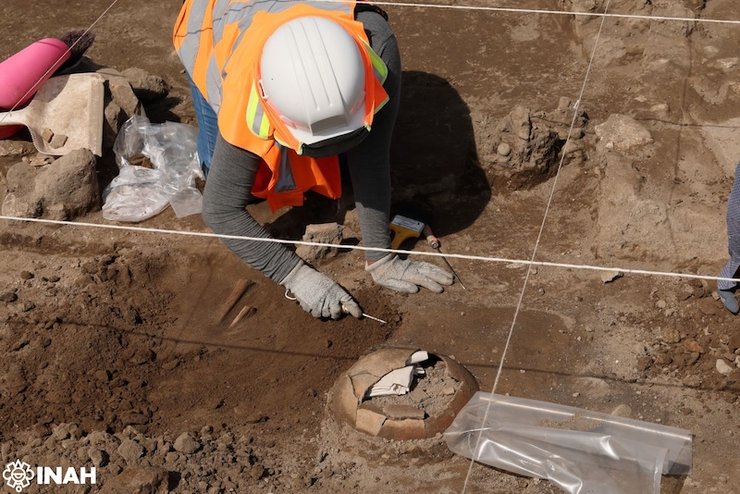
The materials obtained during the excavations are currently undergoing thorough analysis. Researchers are determining the age and health status of the discovered remains, as well as trying to establish the causes of death. The ceramics have been sent for laboratory conservation and classification. Aerial drone photography is being used to create accurate maps of the area to ensure proper protection of this unique site.
“Archaeological heritage is the memory of our people. Each discovery strengthens our responsibility to study, protect, and pass on this heritage to future generations”.
This discovery allows for a deeper understanding of the religious practices, social organization, and urban planning of the Toltecs. Further research in the Tula area may help uncover even more details about the daily life, beliefs, and rituals of this ancient civilization.